Outdoor products are a very popular item on Amazon, providing sellers with very many sales opportunities. So how does outdoors shipping to Amazon USA from China? For sellers, outdoors shipping to Amazon USA successfully is a key aspect that affects whether the goods can be successfully shelved and achieve sales.
Especially for outdoor products, which are large and heavy, the shipping process may face a series of challenges.
How does outdoors shipping to Amazon USA?
Choose a suitable logistics method
Choosing the right logistics method is essential for shipping outdoor products to Amazon’s U.S. warehouse. When choosing a logistics method, the following factors need to be considered:
Shipping time
Different logistics methods have different shipping times. Air freight from China to the US is the fastest, but more expensive; sea freight from China to USA is longer but less expensive. You can choose the right logistics method according to the urgency of the goods and your transportation budget.
Transportation costs
Different logistics methods have different costs, including transportation costs, insurance costs, tariffs, etc. Sellers need to consider all kinds of costs and calculate the transportation cost to ensure that they can choose the right logistics method with guaranteed profit.
Logistics services
different logistics methods provide different services, including pickup, customs clearance, tracking, etc.. Sellers need to understand the service content of different logistics methods and choose the logistics service that meets their needs.
Prepare the documents
When does outdoors shipping to Amazon USA, sellers need to prepare a series of necessary documents and papers, including but not limited to the following:
Commercial invoice
The invoice is a proof of sale of goods, so there is a need to list the name, quantity, value and other information of the goods in detail on the invoice, and stamp the official seal of the seller’s company.
Packing list
Packing list is a list of items in the parcel, with the following contents: name, quantity, weight and other information.
Transport insurance policy
in the process of the possible loss of transport, transport insurance policy can be insurance claims, can make the goods in the transport process to get the appropriate security protection.
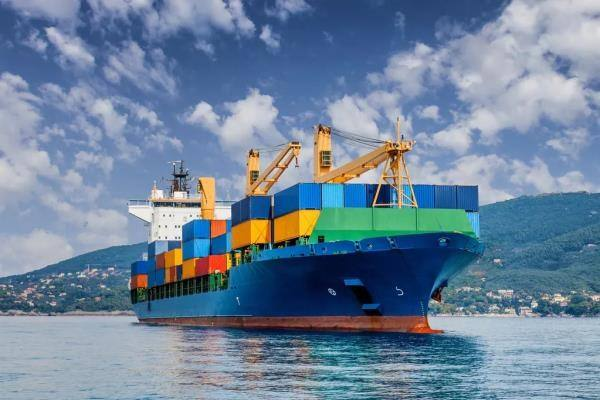
outdoors shipping to Amazon USA
Customs declaration
Customs declaration is required to declare the information of goods to the customs and the documents for payment of customs duties. Sellers need to fill in the relevant information according to the customs requirements.
If you want to learn how to save money on shipping from China to Amazon, you can click on this article below:
Shipping To Amazon FBA From China – 2 Awesome Money Saving Tips!
Correct packaging and identification
Outdoor products are usually large and heavy, so the correct packaging and identification is very important in the transportation process.
In order to prevent damage or loss of goods in transit, you need to choose strong and environmentally friendly packaging materials.
Moreover, on the outer box packaging of the goods, it should contain information such as the name, quantity and weight of the goods, and the trademark and contact information are also needed so that you can identify and contact during the transportation process.
Reliable freight forwarder
Choosing a reliable freight forwarder is a key step in ensuring that outdoors shipping to Amazon USA smoothly. Sellers should choose a professional freight forwarder with extensive experience.
It is best if they can provide a one-stop logistics solution, and Xiongda International Logistics can provide this service for you.
One-stop logistics solutions include transportation, customs clearance, warehousing and other services.
Compliant transportation and customs clearance
When the outdoors shipping to Amazon USA, sellers need to follow relevant laws and regulations and Amazon’s rules for compliant shipping and customs clearance. This includes properly filling out customs declarations and other related documents, paying duties and other fees as required, following shipping and customs clearance processes and requirements, etc.
If you have any other questions, you can contact us.