


Shipping from China to USA Guide in 2026

Table of Contents

Xiongda always care about your products, and will provide full services in the freight progress.

Shipping from China to USA is a cornerstone of global trade, enabling businesses to connect with one of the largest and most dynamic markets in the world. As international commerce continues to grow, understanding the intricacies of china to USA shipping has become essential for businesses aiming to stay competitive. This guide delves into the key challenges and opportunities faced by importers, from navigating complex customs regulations to selecting the most efficient shipping methods. Factors such as freight costs, shipping tariffs, and customs clearance play a significant role in determining shipping costs from china to USA, making it crucial for businesses to plan strategically. Whether you’re considering express shipping, air freight, or ocean freight, this resource provides actionable insights to help you optimize your logistics, reduce costs, and ensure seamless china to USA shipping.

Shipping From China To USA

Express shipping from China to USA is a premium logistics service designed for fast and reliable delivery of goods. It is ideal for small parcels, urgent shipments, and high-value items that require guaranteed delivery within a short timeframe. Unlike standard shipping, which can take weeks, express shipping ensures delivery within 1-5 days, making it a critical solution for businesses with time-sensitive needs.

Best Use Cases for Express Shipping

Small Parcels: Perfect for lightweight shipments that need to arrive quickly.
Urgent Deliveries: Ideal for time-sensitive goods such as documents, prototypes, or emergency supplies.
High-Value Items: Ensures secure and fast delivery of luxury goods, electronics, or sensitive materials.

Speed and Cost of Express Shipping

Speed: Delivery typically takes 1-5 days, depending on the destination and carrier.
Cost: Prices range from $7-12/kg, influenced by factors such as weight, dimensions, and additional services

Popular Carriers for Express Shipping

DHL: Known for its global reach and efficient customs handling, DHL offers reliable express services with detailed tracking.

FedEx: Provides robust tracking capabilities and consistent delivery times, making it a favorite for businesses.

UPS: Offers competitive pricing and strong logistics support, particularly for shipments within the USA.

Pros and Cons of Express Shipping

ProsCons
Speed: The fastest shipping method, ensuring goods arrive within days.High Costs: Significantly more expensive than standard shipping methods.
Reliability: Guaranteed delivery dates with minimal risk of delays.Dimensional Weight Charges: Bulky but lightweight items may incur higher fees.
Tracking: Real-time updates provide transparency and peace of mind.Environmental Impact: Air transport contributes to higher carbon emissions.
Customer Satisfaction: Meets high customer expectations for quick delivery. 

Why Choose Express Shipping?

Express shipping from China to USA is not just about speed; it’s about reliability and efficiency. For businesses, it ensures timely delivery of critical goods, enhances customer satisfaction, and provides a competitive edge in fast-paced markets. Whether you’re launching a new product, fulfilling urgent orders, or shipping high-value items, express shipping offers unmatched benefits

Tips for Optimizing Express Shipping

Consolidate Shipments: Combine multiple packages to reduce costs.
Optimize Packaging: Use lightweight and compact materials to minimize dimensional weight charges.
Choose the Right Carrier: Evaluate carriers based on cost, speed, and reliability to find the best fit for your needs.
Prepare Documentation: Ensure all customs paperwork is accurate to avoid delays.

Air Freight from China to USA

What is Air Freight?

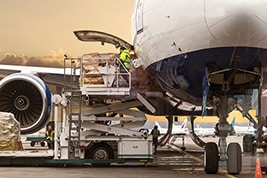
Air freight from China to USA is a fast and reliable shipping method designed for moderate-volume, time-sensitive goods. It is ideal for businesses that require quick delivery of electronics, perishable items, or mid-sized shipments. With transit times ranging from 5-12 days, air freight offers a balance between speed and cost, making it a preferred choice for high-value or urgent shipments.

Best Use Cases for Air Freight

Moderate Volume Shipments:
Perfect for goods weighing between 150-500 kilograms.
Time-Sensitive Goods: Ideal for products that need to reach their destination quickly, such as seasonal items or urgent orders.
High-Value or Perishable Items: Ensures secure and efficient transport of electronics, pharmaceuticals, and perishable goods.
Speed and Cost of Air Freight
Speed: Delivery typically takes 5-12 days, depending on the route, customs clearance, and service type.
Cost: Prices range from $3-15/kg, influenced by factors such as weight, volume, and additional services like insurance or special handling.

Pros and Cons of Air Freight

ProsCons
Speed: Faster than sea freight, ensuring timely delivery of goods.Higher Costs: More expensive than sea freight, especially for large shipments.
Reliability: Predictable transit times with minimal risk of delays.Weight and Volume Restrictions: Charges are based on actual or volumetric weight, whichever is higher.
Security: High-value and sensitive goods are handled with care and monitored closely.Environmental Impact: Air transport has a higher carbon footprint compared to sea freight.
Flexibility: Suitable for a wide range of goods, including perishable and fragile items. 

Popular Air Freight Routes and Hubs

Key Airports in China
Shanghai Pudong International Airport (PVG): Handles electronics, textiles, and high-value goods.
Beijing Capital International Airport (PEK): Ideal for northern China shipments.
Guangzhou Baiyun International Airport (CAN): Specializes in perishable and express shipments.
Major Airports in the USA  
Los Angeles International Airport (LAX): A key hub for goods arriving from southern China.
John F. Kennedy International Airport (JFK): Suitable for e-commerce and time-sensitive goods.
Chicago O’Hare International Airport (ORD): Handles large volumes of electronics and consumer products.

Factors Influencing Air Freight Costs

Weight and Volume: Charges are based on actual or dimensional weight, whichever is higher.
Service Type: Standard air freight is more economical, while express services are faster but costlier.
Cargo Type: High-value or sensitive goods may require special handling or insurance.
Seasonal Demand: Costs can rise during peak seasons or holidays due to limited cargo space.
Origin and Destination: Shipping to major hubs is usually cheaper than to remote locations.

Air Freight Process

Booking and Documentation: Includes preparing a commercial invoice, packing list, and Air Waybill (AWB).
Cargo Preparation: Goods are packed securely to withstand handling and transit.
Customs Clearance in China: Ensures compliance with export regulations.
Air Transport: Goods are flown to the destination airport in the USA.
US Customs Clearance: Proper documentation ensures smooth entry into the USA.
Final Delivery: Cargo is transported to the consignee’s address or warehouse.

Why Choose Air Freight from China to USA?

Air freight is the ideal choice for businesses that prioritize speed, reliability, and security. It ensures timely delivery of high-value or time-sensitive goods, helping businesses meet customer expectations and maintain a competitive edge. While it is more expensive than sea freight, the benefits often outweigh the costs for urgent or high-value shipments.

Tips for Optimizing Air Freight

Plan Ahead: Book shipments early to secure better rates and avoid peak season surcharges.
Optimize Packaging: Use lightweight and compact materials to reduce volumetric weight charges.
Choose the Right Service: Select standard or express services based on your budget and urgency.
Work with a Freight Forwarder: Partner with experienced professionals to handle customs clearance and logistics.

Ocean Freight from China to USA

What is Ocean Freight?  
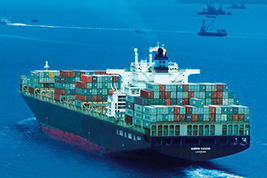
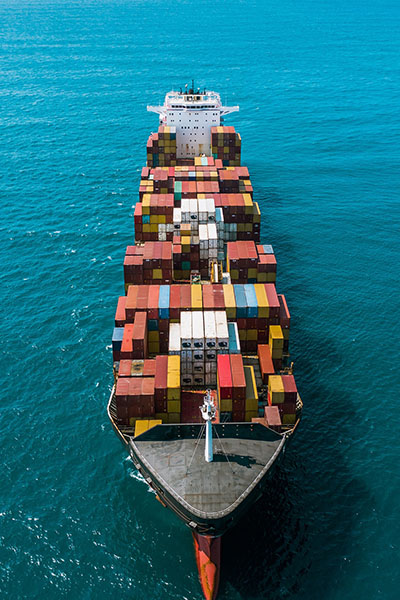
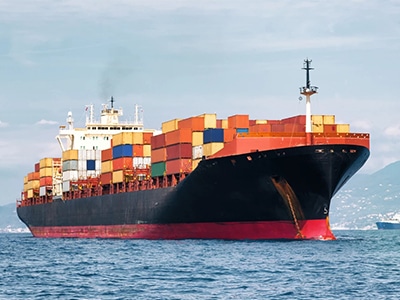
Ocean freight is a cost-effective and reliable shipping method for transporting large, heavy, and non-urgent bulk orders from China to the USA. It is the most economical option for businesses shipping goods in high volumes. With transit times ranging from 20-40+ days, ocean freight offers two primary options: FCL shipping China to USA and LCL shipping China to USA, catering to different shipment sizes and needs.
eliable shipping method designed for moderate-volume, time-sensitive goods. It is ideal for businesses that require quick delivery of electronics, perishable items, or mid-sized shipments. With transit times ranging from 5-12 days, air freight offers a balance between speed and cost, making it a preferred choice for high-value or urgent shipments.

Best Use Cases for Ocean Freight

Large and Heavy Shipments: Ideal for bulk goods, machinery, and oversized items.
Non-Urgent Deliveries: Suitable for shipments that are not time-sensitive.
Cost-Effective Transport: The most economical option for high-volume shipments.

Options: FCL vs. LCL Shipping

FCL Shipping China to USA (Full Container Load)
Definition: The entire container is reserved for a single shipment.
Best For: Large shipments that can fill a 20ft or 40ft container.
Advantages:
Faster transit times as no consolidation or deconsolidation is required.
Greater security and control over the shipment.
Cost-effective for high-volume goods.
Cost: ~$1,200-$4,200 per container, depending on size and route.

LCL Shipping China to USA (Less than Container Load)
Definition: Goods are consolidated with other shipments in a shared container.
Best For: Smaller shipments that do not require a full container.
Advantages:
Lower cost as you only pay for the space your goods occupy.
Flexible for small and medium-sized shipments.
Disadvantages:
Longer transit times due to consolidation and deconsolidation.
Higher risk of damage or delays.
Cost: ~$50-$80/CBM (Cubic Meter).

Options FCL Shipping (Full Container Load) LCL Shipping (Less than Container Load)
Definition The entire container is reserved for a single shipment. Goods are consolidated with other shipments in a shared container.
Best For Large shipments that can fill a 20ft or 40ft container. Smaller shipments that do not require a full container.
Advantages • Faster transit times as no consolidation or deconsolidation is required. • Greater security and control over the shipment. • Cost-effective for high-volume goods. • Lower cost as you only pay for the space your goods occupy. • Flexible for small and medium-sized shipments.
Disadvantages • None specific to FCL. • Longer transit times due to consolidation and deconsolidation. • Higher risk of damage or delays.
Cost ~$1,200–$4,200 per container, depending on size and route. ~$50–$80/CBM (Cubic Meter).

Speed and Cost of Ocean Freight

Speed: Delivery typically takes 20-40+ days, depending on the route, port congestion, and customs clearance.
Cost:
FCL: $1,200-$4,200 per container (20ft or 40ft).
LCL: $50-$80 per CBM.

Pros and Cons of Ocean Freight

Shipping Pros and Cons Table
Pros Cons
Cost-Effective: The cheapest shipping method for large volumes. Slower Transit Times: Takes significantly longer than air freight.
High Capacity: Can accommodate oversized and heavy goods. Port Congestion: Delays can occur due to busy ports or customs clearance.
Eco-Friendly: Lower carbon footprint compared to air freight. Risk of Damage: Goods may be exposed to rough handling during loading and unloading.
Flexible Options: FCL and LCL cater to different shipment sizes. Complex Documentation: Requires detailed paperwork for customs clearance.

Popular Ocean Freight Routes and Ports

Key Ports in China 

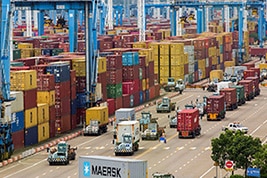
 Shanghai Port: The busiest port in the world, handling a wide range of goods.
Ningbo-Zhoushan Port: Known for its efficiency and connectivity.
Shenzhen Port: A major hub for electronics and consumer goods.
Guangzhou Port: Specializes in bulk and containerized cargo.

Major Ports in the USA  

Port of Los Angeles: The largest port in the USA, ideal for West Coast shipments.
Port of New York and New Jersey: A key hub for East Coast deliveries.
Port of Savannah: Known for its fast and efficient container handling.
Port of Houston: A major gateway for goods entering the Gulf Coast.

Factors Influencing Ocean Freight Costs

Container Size: Costs vary between 20ft and 40ft containers.
Shipping Route: Longer routes or less popular lanes may cost more.
Seasonal Demand: Rates increase during peak seasons like Chinese New Year.
Fuel Surcharges: Fluctuations in fuel prices can impact costs.
Customs and Duties: Import taxes and clearance fees add to the total cost.

Ocean Freight Process

Booking and Documentation: Includes preparing a bill of lading, packing list, and commercial invoice.
Cargo Loading: Goods are loaded into containers at the port of origin.
Sea Transport: Containers are shipped to the destination port.
Customs Clearance: Proper documentation ensures smooth entry into the USA.
Final Delivery: Goods are transported to the consignee’s address or warehouse.

Why Choose Ocean Freight from China to USA?

Ocean freight is the most economical and practical solution for businesses shipping large volumes of goods. It offers flexibility with FCL and LCL options, making it suitable for both large and small shipments. While it is slower than air freight, the cost savings and capacity make it an ideal choice for non-urgent deliveries.

Tips for Optimizing Ocean Freight

Plan Ahead: Book shipments early to avoid peak season surcharges.
Choose the Right Option: Select FCL for large shipments and LCL for smaller loads.
Work with a Freight Forwarder: Partner with professionals to handle customs clearance and logistics.
Optimize Packaging: Use space-efficient packaging to reduce costs.

Factors Influencing Shipping Costs from China to USA

Shipping costs from China to the USA are influenced by a variety of factors, including the mode of transport, shipment size, and additional fees. Understanding these factors is essential for businesses to optimize their logistics and manage expenses effectively.

Weight and Volume of Goods

Impact on Costs: Shipping costs are calculated based on the greater of actual weight or volumetric weight (space occupied by the shipment). Larger or heavier shipments incur higher costs.
Optimization Tip: Use compact and efficient packaging to reduce volumetric weight and save on shipping expenses.

Mode of Transport

Air Freight

Best For: Time-sensitive, high-value, or perishable goods.
Cost: $5–$8 per kilogram for standard air freight; $8–$12 per kilogram for express services.
Speed: 5–10 days for standard air freight; 3–5 days for express services.
Considerations: Faster but significantly more expensive than ocean freight.
Ocean Freight
Best For: Large, heavy, and non-urgent shipments.
Cost: $1,200–$4,200 per container (FCL); $50–$80 per CBM (LCL).
Speed: 20–40+ days, depending on the route and port congestion.
Considerations: Most economical option for bulk shipments.
Express Shipping
Best For: Small, urgent parcels.
Cost: $8–$12 per kilogram.
Speed: 3–5 days door-to-door.
Considerations: Ideal for e-commerce and high-priority shipments.

Shipping MethodBest ForCostSpeedConsiderations
Air FreightTime-sensitive, high-value, or perishable goods.$5 – $8 per kilogram (standard); $8 – $12 per kilogram (express).5 – 10 days (standard); 3 – 5 days (express).Faster but significantly more expensive than ocean freight.
Ocean FreightLarge, heavy, and non-urgent shipments.$1,200 – $4,200 per container (FCL); $50 – $80 per CBM (LCL).20 – 40+ days, depending on route and port congestion.Most economical option for bulk shipments.
Express ShippingSmall, urgent parcels.$8 – $12 per kilogram.3 – 5 days door-to-door.Ideal for e-commerce and high-priority shipments.


Distance and Shipping Routes

Key Routes: Popular shipping routes from China to the USA include Shanghai to Los Angeles, Ningbo to New York, and Shenzhen to Houston.
Impact on Costs: Longer routes, such as those to the East Coast, are more expensive due to extended transit times and additional handling.
Optimization Tip: Choose the nearest port to your destination to reduce costs and transit times.

Seasonal Demand and Peak Seasons

Peak Seasons: Shipping costs increase during high-demand periods, such as the months leading up to Christmas and Chinese New Year.
Impact on Costs: Rates can surge due to container shortages and increased demand for cargo space.
Optimization Tip: Plan shipments well in advance to avoid peak season surcharges.

Shipping Tariffs, Customs Clearance, and Additional Fees

Shipping Tariffs
Impact: Tariffs imposed on goods from China can significantly increase the total landed cost.
Example: Section 301 tariffs on Chinese-origin goods add extra duties to the base tariff rate.
Optimization Tip: Work with a freight forwarder to navigate tariff classifications and explore tariff engineering strategies.
Customs Clearance
Fees: Importers should budget for customs clearance fees, which range from $100–$500 per shipment.
Documentation: Required documents include a commercial invoice, packing list, and bill of lading.
Optimization Tip: Ensure accurate and complete documentation to avoid delays and penalties.
Additional Fees
Examples: Port fees, fuel surcharges, and demurrage charges for delayed cargo.
Impact: These fees can add hundreds of dollars to the total shipping cost.
Optimization Tip: Monitor shipment timelines and work with reliable carriers to minimize additional fees.

Shipping Insurance

Purpose: Protects against loss, theft, or damage during transit.
Cost: Typically 0.3%–0.5% of the shipment’s value; ranges from $50–$100 for most shipments.
Coverage: Includes the value of the cargo but excludes lost sales or development costs.
Optimization Tip: Always purchase insurance for high-value or fragile goods to mitigate risks

Shipping Times and Routes

Shipping Times and Routes

Shipping transit times from China to the USA vary significantly depending on the mode of transport. Businesses must choose the most suitable option based on their priorities, such as speed, cost, and shipment size.

Express Shipping from China to USA

Transit Time: 1-5 days
Best For: Small, urgent parcels and time-sensitive shipments.
Details:
Express shipping is the fastest option, often used for e-commerce, samples, and high-priority goods.
Major carriers like DHL, FedEx, and UPS offer door-to-door services, ensuring quick and reliable delivery.
Transit times may vary slightly based on the origin and destination cities, as well as customs clearance efficiency.

Air Freight from China to USA

Transit Time: 5-12 days
Best For: Moderate-volume, time-sensitive goods.
Details:
Air freight is faster than ocean freight but slower than express shipping.
Transit times include consolidation at the departure airport, customs clearance, and potential layovers.
Direct flights from major Chinese cities like Shanghai, Shenzhen, and Beijing to US hubs (e.g., Los Angeles, New York) can reduce transit times to as little as 5 days.
Indirect flights with transshipments may take up to 12 days.

Ocean Freight from China to USA

Transit Time: 20-40+ days
Best For: Large, heavy, and non-urgent bulk shipments.
Details:
Ocean freight is the most economical option for high-volume shipments but has the longest transit times.
Transit times depend on the shipping route, port congestion, and customs clearance.
Example transit times:
Shanghai to Los Angeles: 14-20 days.
Shenzhen to New York: 21-40 days.
Ningbo to Savannah: 21-35 days.
FCL (Full Container Load) shipments are generally faster than LCL (Less than Container Load) due to reduced handling.

Factors Influencing Transit Times

Customs Clearance: Delays in customs can add extra days to the shipping timeline. Accurate and complete documentation is essential to avoid disruptions.
Port Congestion: High demand or adverse weather conditions can cause delays at major ports.
Seasonality: Peak seasons, such as the months leading up to Christmas or Chinese New Year, can extend transit times due to increased shipping volumes.
Shipping Routes: Direct routes are faster, while indirect routes with transshipments take longer.

Choosing the Right Shipping Method

Express Shipping: Ideal for urgent deliveries where speed is the top priority.
Air Freight: Suitable for moderate-volume shipments that need to arrive quickly but are less urgent than express shipments.
Ocean Freight: Best for cost-effective transport of large, heavy, or non-urgent goods.

Popular Shipping Routes

Pacific Lane: Shanghai/Shenzhen to Los Angeles/Seattle

Overview: The Pacific Lane is the most popular and cost-effective shipping route, connecting major Chinese ports to the West Coast of the USA.
Key Ports:
China: Shanghai, Shenzhen.
USA: Los Angeles, Seattle.

Transit Time:
Ocean Freight: 14-20 days.
Air Freight: 5-7 days.
Express Shipping: 1-3 days.

Advantages:
Shorter transit times compared to other routes.
Direct access to major US markets on the West Coast.
Efficient connectivity to inland destinations via rail and road networks.
Best For: Electronics, consumer goods, and time-sensitive shipments

Atlantic Lane: Ningbo/Qingdao to New York/Savannah

Overview: The Atlantic Lane connects Chinese ports to the East Coast of the USA, often via the Panama Canal.
Key Ports:
China: Ningbo, Qingdao.
USA: New York, Savannah.
Transit Time:
Ocean Freight: 25-35 days.
Air Freight: 6-10 days.
Express Shipping: 2-4 days.

Advantages:
Direct access to major East Coast markets.
Ideal for reaching densely populated regions in the eastern USA.
Suitable for bulk shipments requiring longer lead times.
Best For: Machinery, textiles, and high-volume goods.

Gulf Coast Route: Guangzhou to Houston

Overview: The Gulf Coast Route is a vital shipping lane for goods destined for the southern USA, including energy-related cargo.
Key Ports:
China: Guangzhou.
USA: Houston.
Transit Time:
Ocean Freight: 30-40 days.
Air Freight: 7-12 days.
Express Shipping: 2-5 days.

Advantages:
Strategic access to the Gulf Coast and Central America. 
Proximity to energy and industrial hubs in the southern USA.
Efficient for large shipments requiring cost-effective transport.
Best For: Chemicals, plastics, and industrial equipment.
Factors Influencing Route Selection
Transit Time: Choose routes based on urgency; the Pacific Lane offers the fastest ocean transit times.
Cost: The Gulf Coast Route is often more economical for bulk shipments.
Destination: Select routes that provide direct access to your target market (e.g., East Coast for New York, West Coast for Los Angeles).
Cargo Type: High-value or time-sensitive goods may benefit from air freight or express shipping.

Seasonal Disruptions in Shipping from China to the USA

Shipping from China to the USA is subject to various seasonal disruptions that can significantly impact transit times, costs, and supply chain efficiency. Understanding these disruptions and implementing proactive strategies can help businesses minimize delays and maintain smooth operations.

Impact of Chinese New Year

Chinese New Year (CNY), also known as the Lunar New Year, is the most significant holiday in China, celebrated annually in late January or early February. The holiday causes widespread disruptions in manufacturing and logistics due to factory closures and labor shortages.

Factory Shutdowns:Most factories close for 1-2 weeks, with some halting operations for up to a month. This leads to a complete production halt and order backlogs.

Logistics Bottlenecks : The weeks leading up to CNY see a surge in shipping demand as businesses rush to move goods before the holiday. This results in congested ports, container shortages, and increased freight rates.
Post-Holiday Delays: After the holiday, factories take time to resume full operations, causing further delays in production and shipping.

Impact of Typhoon Season

Typhoon season, which typically occurs from June to October, poses significant challenges for shipping routes in the Asia-Pacific region.

Port Closures: Severe weather conditions can lead to temporary port closures, delaying vessel schedules.
Rerouted Shipments: Ships may need to take longer routes to avoid typhoons, increasing transit times and costs.
Cargo Damage: High winds and rough seas increase the risk of cargo damage during transit

Impact of Peak Holiday Periods

The months leading up to major holidays, such as Christmas and Black Friday, see a sharp increase in shipping demand.
High Freight Rates: Peak season surcharges are common as businesses compete for limited shipping capacity.
Port Congestion: Increased cargo volumes lead to longer wait times at ports and delays in customs clearance.
Labor Shortages: The high demand for logistics services can strain labor resources, slowing down operations.

Strategies to Mitigate Shipping Delays

To navigate these seasonal disruptions effectively, businesses can adopt the following strategies:

  1. Early Planning and Booking
    Advance Orders: Place orders 2-3 months before peak seasons to avoid production and shipping delays.
    Pre-Book Shipping Space: Secure container or air cargo space well in advance to ensure timely delivery.
  1. Diversify Shipping Modes and Routes
    Alternate Modes: Use a combination of ocean freight, air freight, and express shipping to balance speed and cost.
    Less Congested Ports: Consider shipping through less congested ports to avoid delays.
  1. Optimize Inventory Management
    Stockpile Inventory: Build up inventory levels before peak seasons to meet customer demand during disruptions.
    Data-Driven Forecasting: Use historical sales data to predict demand and plan inventory accordingly.
  1. Collaborate with Reliable Partners
    Freight Forwarders: Work with experienced freight forwarders who can provide end-to-end logistics solutions and navigate disruptions effectively.
    Customs Brokers: Partner with customs brokers to ensure smooth and efficient clearance processes.
  1. Build Flexibility into Supply Chains
    Buffer Times: Include buffer times in shipping schedules to account for potential delays.
    Emergency Budgets: Allocate contingency funds to cover unexpected costs during disruptions.

Customs and Import Requirements for Shipping from China to the USA

Navigating customs regulations and the import process is a critical step in ensuring smooth and efficient shipping from China to the USA. This guide outlines the required documents, the importance of compliance with customs regulations, and the role of freight forwarders in simplifying the customs clearance process.

Required Documents for Customs Clearance

To successfully import goods from China to the USA, the following documents are typically required:

Bill of Lading (BOL): A legal document issued by the carrier to the shipper, detailing the type, quantity, and destination of the goods being shipped.

Commercial Invoice: A document that provides details about the transaction, including the value of the goods, the buyer and seller information, and the terms of sale.

Packing List: A detailed list of the contents of the shipment, including dimensions, weight, and packaging details.

Importer Security Filing (ISF): Also known as the “10+2” rule, this filing is required for ocean freight shipments to provide advance information to US Customs and Border Protection (CBP).

Certificate of Origin: A document certifying the country of manufacture of the goods, which may be required for tariff classification and duty calculation.

Customs Bond: A financial guarantee that ensures payment of duties, taxes, and compliance with regulations.

Importance of Compliance with Customs Regulations

Compliance with customs regulations is essential to avoid delays, fines, and potential seizure of goods. Key aspects of compliance include:

Tariff Classification: Properly classifying goods under the Harmonized Tariff Schedule (HTS) to determine applicable duties and taxes.

Section 301 Tariffs: Understanding additional tariffs imposed on certain Chinese goods under Section 301 of the Trade Act.

Partner Government Agencies (PGAs): Ensuring compliance with regulations from agencies such as the FDA, EPA, and USDA for specific product categories.

Country of Origin Marking: Ensuring all goods are labeled with their country of origin to meet CBP requirements.

Role of Freight Forwarders in Customs Clearance

Freight forwarders play a crucial role in simplifying the customs clearance process and ensuring compliance with regulations. Their responsibilities include:

Documentation Preparation: Assisting with the preparation and submission of required documents, such as the Bill of Lading, Commercial Invoice, and ISF.

Customs Brokerage: Acting as a liaison between the importer and CBP to facilitate the clearance of goods.

Duty and Tax Calculation: Ensuring accurate calculation and payment of duties, taxes, and fees.

Regulatory Compliance: Advising on compliance with customs regulations and Partner Government Agency requirements.

End-to-End Logistics Management: Coordinating transportation, warehousing, and final delivery to the consignee.

Steps in the Customs Clearance Process

Pre-Shipment Preparation:

Gather all required documents, including the Bill of Lading, Commercial Invoice, and Packing List.Ensure compliance with product-specific regulations and obtain necessary permits or certifications.

Filing the ISF:

Submit the Importer Security Filing (ISF) at least 24 hours before the goods are loaded onto the vessel in China.

Arrival at the US Port:

The carrier submits the manifest to CBP, and the goods are inspected for compliance.

Customs Examination:

CBP may conduct a physical inspection or request additional documentation to verify compliance.

Duty Payment and Release:

Pay applicable duties, taxes, and fees to CBP.

Once cleared, the goods are released for final delivery.

Benefits of Partnering with a Freight Forwarder

Working with a reliable freight forwarder offers several advantages:

Expertise: Freight forwarders have in-depth knowledge of customs regulations and can navigate complex requirements.

Efficiency: They streamline the customs clearance process, reducing delays and ensuring timely delivery.

Cost Savings: By optimizing shipping routes and consolidating shipments, freight forwarders help minimize costs.

Risk Mitigation: They ensure compliance with regulations, reducing the risk of fines, penalties, and shipment seizures

Choosing the Right Shipping Option from China to the USA

Selecting the most suitable shipping option is crucial for businesses importing goods from China to the USA. This guide outlines the factors to consider, compares shipping methods, and provides tips for cost-effective shipping while emphasizing the importance of shipping insurance.

Benefits of Partnering with a Freight Forwarder

To determine the best shipping method, consider the following factors:
Urgency of Delivery: How quickly do you need the goods? Air freight and express shipping are ideal for time-sensitive shipments, while ocean freight is better for non-urgent deliveries.
Budget Constraints: Evaluate your budget and compare shipping rates from China to the USA. Ocean freight is generally the most cost-effective for large shipments, while air freight and express shipping are more expensive.
Volume and Type of Goods: The size, weight, and nature of your goods influence the choice of shipping method. For example, fragile or high-value items may require air freight or express shipping for added security.

Comparison of Shipping Methods from China to the USA

Each shipping method offers unique advantages and is suited to specific needs:

Shipping MethodCostTransit TimeBest For
Express Shipping$5 – $10/kg1 – 5 daysUrgent, small parcels, high-value goods
Air Freight$3 – $9/kg5 – 10 daysModerate-volume, time-sensitive goods
Ocean Freight (FCL)$2,000 – $4,500 per container20 – 40 daysLarge, heavy, non-urgent shipments
Ocean Freight (LCL)$50 – $80/CBM25 – 45 daysSmall shipments that don’t fill a container


Comparison of Shipping Methods from China to the USA

To optimize costs and ensure efficient shipping, follow these tips:

Plan Around Peak Seasons

Avoid shipping during peak seasons like Chinese New Year or the holiday rush to prevent higher rates and delays.
Book shipments early to secure better rates and availability.

Use Shipping Insurance

Protect your goods against theft, damage, or loss during transit with comprehensive shipping insurance.
Choose the appropriate coverage type, such as all-risk or named perils, based on your shipment’s value and risk factors.

Optimize Packaging

Use compact and lightweight packaging to reduce dimensional weight charges for air freight.
Ensure proper packaging to minimize the risk of damage during transit

Work with Reliable Freight Forwarders

Partner with experienced freight forwarders who can navigate customs regulations, optimize shipping routes, and provide end-to-end logistics solutions.

Compare Shipping Rates

Use platforms like Freightos or consult with freight forwarders to compare real-time shipping rates and find the most cost-effective option.

Importance of Shipping Insurance

Shipping insurance is essential for mitigating risks and protecting your investment. Key benefits include:
Coverage for Loss or Damage: Insurance compensates for losses due to theft, rough handling, or natural disasters.
Peace of Mind: Knowing your goods are insured allows you to focus on other aspects of your business.
Customizable Options: Choose from single coverage, open coverage, or all-risk policies based on your shipping needs.

The Role of Freight Forwarders in Shipping from China to the USA

Shipping goods from China to the USA is a critical process for many businesses, especially in the eCommerce and manufacturing sectors. Freight forwarders play a pivotal role in ensuring smooth logistics, customs clearance, and cost-effective shipping solutions. This guide explores the benefits of using freight forwarders, their key responsibilities, and tips for selecting the right

Benefits of Using Freight Forwarders for China-to-USA

Simplified Logistics and Customs Clearance Simplified Logistics and Customs Clearance

Freight forwarders handle the complexities of international shipping, including customs documentation, compliance with trade regulations, and navigating tariffs. Their expertise ensures that shipments clear customs efficiently, avoiding costly delays.

Access to Competitive Shipping Quotes

Leveraging their extensive networks, freight forwarders negotiate favorable rates with carriers. This results in cost savings for businesses, whether shipping via air, sea, or multimodal options.

End-to-End Shipment Management

From cargo pickup at the factory in China to delivery at the final destination in the USA, freight forwarders provide comprehensive services. This includes transportation, warehousing, and real-time tracking, ensuring a seamless shipping experience.

Risk Mitigation

Freight forwarders offer cargo insurance and proactive risk management strategies to protect shipments from damage, theft, or loss during transit.

Time and Cost Efficiency

By consolidating shipments and optimizing routes, freight forwarders reduce transit times and shipping costs, allowing businesses to focus on their core operations.

Key Responsibilities of Freight Forwarders

Transportation Management

Freight forwarders coordinate the most efficient shipping methods, whether by sea, air, or land. They ensure timely delivery by selecting optimal routes and carriers.

Customs Brokerage

Navigating customs regulations is one of the most challenging aspects of international shipping. Freight forwarders handle all necessary documentation, ensuring compliance with both Chinese and U.S. trade laws.

Warehousing Solutions

Many freight forwarders offer warehousing services, including storage, inventory management, and dispatching. This is particularly useful for businesses with fluctuating shipping volumes.

Cargo Insurance

To safeguard against unforeseen events, freight forwarders provide insurance options that cover potential risks during transit.

Real-Time Tracking and Communication

Advanced digital tools allow freight forwarders to provide real-time updates on shipment status, ensuring transparency and peace of mind for clients.

How to Choose Reliable Freight Forwarders for Shipping from China to the USA

Selecting the right freight forwarder is crucial for a successful shipping experience. Here are some tips:

Evaluate Experience and Expertise

Choose a freight forwarder with a proven track record in handling China-to-USA shipments. Their familiarity with trade routes, customs regulations, and carrier networks is invaluable.

Check Service Offerings

Ensure the freight forwarder provides end-to-end services, including customs clearance, warehousing, and cargo insurance. Look for value-added services like pre-shipment inspections and digital tracking.

Compare Shipping Quotes

Request quotes from multiple freight forwarders to find competitive rates. Be wary of hidden fees and ensure transparency in pricing.

Assess Network and Partnerships

A strong network of carriers, customs brokers, and logistics partners is a hallmark of a reliable freight forwarder. This ensures smooth operations and better rates.

Verify Customer Support

Responsive and knowledgeable customer support is essential. Choose a freight forwarder that offers 24/7 assistance and proactive communication.

Read Reviews and Testimonials

Research online reviews and client testimonials to gauge the freight forwarder’s reputation and reliability.

Cost-Saving Tips for Importers: Freight Costs and Shipping Quotes from China to the USA

Importing goods from China to the USA can be a cost-intensive process, but with strategic planning and the right tools, businesses can significantly reduce expenses. This guide provides actionable tips to help importers save on freight costs and secure competitive shipping quotes.

Pay Suppliers in Chinese Yuan (CNY) to Avoid Currency Exchange

One of the simplest ways to save money is by paying suppliers in their local currency, Chinese Yuan (CNY). Here’s why:
Avoid Supplier Markups: Many suppliers quote prices in USD but include a 2–5% markup to cover their currency exchange risks. Paying in CNY eliminates this hidden cost.
Better Exchange Rates: Using multi-currency accounts or foreign exchange (FX) specialists allows you to convert funds at favorable rates, reducing overall costs.
Faster Transactions: Payments in CNY are processed more quickly, improving supplier relationships and ensuring timely shipments.
Pro Tip: Use forward contracts to lock in exchange rates for future payments, providing cost certainty and protecting against currency fluctuations.

Consolidate Shipments to Reduce Freight Costs

Consolidating shipments is a proven method to lower freight expenses. Here’s how it works:
Maximize Container Space: Combine multiple smaller shipments into a single container to reduce per-unit shipping costs.
Leverage Economies of Scale: Larger shipments often qualify for discounted rates from carriers.
Reduce Handling Fees: Fewer shipments mean fewer handling and documentation fees, saving time and money.
Pro Tip: Work with a freight forwarder to coordinate consolidation with other importers shipping to the same destination.

Use Digital Tools for Real-Time Shipping Quotes

Digital platforms and tools have revolutionized the way businesses manage shipping. Here’s how they can help:
Instant Quotes: Access real-time shipping quotes from multiple carriers to find the best rates.
Transparent Pricing: Digital tools provide detailed cost breakdowns, helping you avoid hidden fees.
Streamlined Booking: Book shipments directly through the platform, saving time and reducing administrative overhead.
Pro Tip: Look for platforms that offer additional services like customs clearance, cargo insurance, and shipment tracking for a seamless experience.

Avoid Penalties by Filing ISF on Time

The Importer Security Filing (ISF), also known as the “10+2” rule, is a critical requirement for ocean shipments to the USA. Non-compliance can result in hefty fines and delays. Here’s how to stay compliant:
File Early: Submit the ISF at least 24 hours before your cargo departs China.
Double-Check Documentation: Ensure all required details, such as the consignee’s information and cargo description, are accurate.
Use a Customs Broker: Partner with a licensed customs broker to handle ISF filings and avoid errors.
Pro Tip: Automate ISF filings through digital freight platforms to ensure timely submissions and reduce the risk of penalties.

Negotiate with Freight Forwarders

Freight forwarders play a crucial role in managing international shipments. To get the best deals:
Request Detailed Quotes: Ask for quotes that include all costs, such as fuel surcharges, port fees, and customs duties.
Compare Rates: Obtain quotes from multiple forwarders to identify the most competitive options.
Leverage Long-Term Relationships: Building a strong relationship with a forwarder can lead to better rates and priority service during peak seasons.
Pro Tip: Choose forwarders with expertise in China-to-USA shipping to navigate complex trade regulations and optimize routes.

Plan Shipments Around Peak Seasons

Shipping costs often spike during peak seasons, such as the months leading up to Chinese New Year or the holiday season in the USA. To save money:
Ship Early: Avoid peak-season surcharges by scheduling shipments well in advance.
Use Off-Peak Services: Opt for slower shipping methods during non-urgent periods to reduce costs.
Monitor Market Trends: Stay informed about industry trends and adjust your shipping strategy accordingly.
Pro Tip: Collaborate with your suppliers and freight forwarders to create a shipping schedule that minimizes costs while meeting your business needs.

Common Challenges in Shipping from China to the USA and How to Overcome Them

Shipping goods from China to the USA is a critical process for many businesses, but it comes with its own set of challenges. From port congestion to tariff changes, these obstacles can disrupt supply chains and increase costs. This guide explores the most common challenges and provides practical solutions to overcome them.

Port Congestion and Shipping Delays

The Challenge
Port congestion is a recurring issue at major Chinese and American ports, especially during peak seasons and post-pandemic recovery periods. Ships often face extended waiting times, delaying cargo delivery and increasing costs.
Key Ports Affected: Shanghai, Ningbo-Zhoushan, Shenzhen (China); Los Angeles, Long Beach (USA).
Impact: Increased freight costs, missed delivery deadlines, and disrupted supply chains.
Solution
Work with Experienced Freight Forwarders: Freight forwarders with strong networks can secure priority berthing and manage alternative routes.
Plan Shipments Early: Avoid peak seasons like Chinese New Year and Golden Week by scheduling shipments in advance.
Use Real-Time Tracking Tools: Monitor port congestion and adjust shipping schedules proactively.

Tariff Changes and Shipping Tariffs

The Challenge
Frequent changes in tariffs and trade policies between China and the USA can significantly impact shipping costs. For example, the recent suspension of the de minimis exemption has increased duties on low-value shipments.
Impact: Higher landed costs, complex customs clearance, and potential compliance issues.
Solution
Stay Updated on Tariff Policies: Regularly check government and trade resources for updates on tariffs and exemptions.
Classify Goods Correctly: Use accurate HS codes to avoid misclassification penalties.
Leverage Free Trade Agreements: Explore opportunities under agreements like the USMCA to reduce duties.

Weather Disruptions and Natural Disasters

The Challenge
Typhoons, floods, and other natural disasters frequently disrupt shipping routes in China, particularly during the June–November typhoon season.
Impact: Temporary port closures, delayed shipments, and increased transit times.
Solution
Build Buffer Time: Add 5–7 days to shipping timelines during high-risk weather periods.
Use Multimodal Shipping Methods: Combine sea and air freight to bypass affected areas and ensure timely delivery.
Monitor Weather Forecasts: Stay informed about potential disruptions and adjust shipping plans accordingly.

Solutions to Overcome Shipping Challenges

Work with Experienced Freight Forwarders
Freight forwarders with expertise in China-to-USA shipping can navigate complex trade regulations, secure competitive rates, and provide end-to-end shipment management.
Benefits:
Priority booking and space allocation.
Expertise in customs clearance and compliance.
Access to alternative routes and ports.
Use Multimodal Shipping Methods
Combining different modes of transport, such as sea and air, offers flexibility and reliability.
Advantages:
Faster transit times for urgent shipments.
Cost savings by optimizing routes.
Reduced risk of delays during peak seasons or weather disruptions.
Adopt Digital Tools
Leverage technology to streamline shipping processes and improve visibility.
Examples:
Real-time tracking platforms for monitoring shipments.
Digital customs clearance tools to reduce errors and delays.
Freight rate comparison tools to secure the best deals.

Amazon FBA and E-Commerce Shipping: From China to the USA

Shipping inventory from China to Amazon’s Fulfillment by Amazon (FBA) centers in the USA is a critical step for e-commerce sellers. Ensuring compliance with Amazon’s guidelines and meeting FBA shipping requirements is essential to avoid delays, rejections, or additional costs. This guide provides a comprehensive overview of the process, including labeling, packaging, and documentation standards.

FBA Shipping Requirements

Labeling Standards
Proper labeling is crucial for Amazon FBA shipments. Each item and carton must be labeled correctly to ensure smooth processing at Amazon fulfillment centers.
FNSKU Labels:
Every product must have a unique Fulfillment Network Stock Keeping Unit (FNSKU) label.
The label must be scannable and placed on a flat surface, covering any existing barcodes.
Carton Labels:
Each carton must have an Amazon-generated shipping label printed from Seller Central.
Labels should be placed on the top or side of the carton, avoiding edges or seams.
Pallet Labels (if applicable):
Pallets must have four labels, one on each side, for easy identification.
Pro Tip: Use high-quality printers and adhesive labels to ensure durability during transit.

Packaging Standards

Amazon has strict packaging requirements to protect products during storage and shipping.
Carton Weight and Size Limits:
Maximum weight: 50 lbs per carton (unless labeled “Team Lift”).
Maximum dimensions: 25 inches on any side.
Poly Bags:
Must include a suffocation warning if the opening is larger than 5 inches.
Bags must be transparent and sealed.1
Bubble Wrap:
Required for fragile items to prevent damage.
Country of Origin:
All products must display “Made in China” or the appropriate country of origin.
Pro Tip: Use Amazon’s Prep Service or a third-party prep center if you’re unsure about meeting these standards.

Documentation Standards

Accurate documentation is essential for customs clearance and compliance with Amazon’s requirements.
Commercial Invoice:
Must include product descriptions, quantities, and values.
Packing List:
Details the contents of each carton, including dimensions and weight.
Bill of Lading (BOL):
Required for sea and air freight shipments.
FBA Shipment ID:
Generated in Seller Central and included in all shipping documents.
Pro Tip: Work with a freight forwarder experienced in Amazon FBA shipping to handle documentation and customs clearance.

Compliance with Amazon’s Guidelines

Amazon has specific guidelines to ensure smooth processing at their fulfillment centers.
Shipment Creation in Seller Central:
Log in to Seller Central and create a shipping plan.
Specify the number of units, carton dimensions, and weight.
Carrier Selection:
Use Amazon-partnered carriers for discounted rates and seamless delivery.
Delivery Appointments:
Schedule delivery appointments for shipments arriving at Amazon fulfillment centers.
Pro Tip: Regularly review Amazon’s FBA guidelines to stay updated on any changes.

Shipping Methods from China to the USA

Choosing the right shipping method depends on your budget, timeline, and shipment size.
Air Freight:
Fast (5–10 days) but expensive. Ideal for urgent or high-value shipments.
Sea Freight:
Cost-effective but slow (25–40 days). Suitable for bulk shipments.
Express Shipping:
Reliable for small, lightweight shipments. Delivered within 2–5 days.
Pro Tip: Use Delivered Duty Paid (DDP) terms to simplify customs clearance and tax payments.

Working with Freight Forwarders

Freight forwarders simplify the shipping process by handling logistics, customs clearance, and compliance.
Benefits:
Expertise in Amazon FBA requirements.
Access to competitive shipping rates.
End-to-end shipment management.
Recommended Services:
Labeling and packaging.
Customs documentation.
Real-time tracking.
Pro Tip: Choose a forwarder with experience in Amazon FBA shipping to avoid common pitfalls.

Shipping Methods for FBA .

Express Shipping for Small Shipments

Overview:
Best suited for small, time-sensitive shipments.
Common carriers: DHL, FedEx, UPS, and TNT.
Advantages:
Fastest delivery option (1-3 days).
Door-to-door service with tracking and insurance.
Ideal for high-value or urgent shipments.
Cost:
Typically $5–$10 per kilogram for shipments under 150 kg.
Use Cases:
Product samples, urgent restocking, or high-value items.
Considerations:
Higher cost compared to other methods.
Limited suitability for larger or heavier shipments.

Ocean Freight for Bulk Inventory

Most cost-effective option for large shipments over 500 kg.
Two main types: Full Container Load (FCL) and Less than Container Load (LCL).
Advantages:
Lowest cost per unit for bulk shipments.
Suitable for non-urgent, heavy, or oversized goods.
Cost:
FCL: $2,000–$5,000 per container.
LCL: $50–$100 per cubic meter.
Transit Time:
Typically 30–40 days, depending on the route.
Use Cases:Large inventory restocking or non-urgent shipments.
Considerations:
Longer lead times and potential delays due to port congestion or customs.
Requires careful planning to align with inventory needs.

Choosing the Right Shipping Method

Factors to Consider:
Shipment size and weight.
Delivery timeline and urgency.
Budget constraints.
Nature of the goods (e.g., fragile, high-value, or perishable).
Recommendations:
Use express shipping for small, urgent shipments.
Opt for air freight for mid-sized, time-sensitive batches.
Choose ocean freight for bulk inventory to minimize costs.

Cost-Saving Tips

Consolidate Shipments:
Combine multiple orders to maximize container space.
Plan Ahead:
Book shipments early to avoid peak season surcharges.
Negotiate with Freight Forwarders:
Request discounts for repeat business or large volumes.
Leverage DDP Services:
Simplify customs clearance and avoid unexpected fees.

90-day inventory rule for ocean freight china to USA

Seasonal inventory calendar for peak demand.
What is the 90-Day Inventory Rule?
A strategic approach to maintain a 90-day stock buffer to account for the long transit times and potential delays in ocean freight.
Ensures business continuity by mitigating risks of stockouts during transit or customs clearance.
Benefits of the 90-Day Inventory Rule
Risk Mitigation:
Protects against unexpected delays due to port congestion, weather disruptions, or customs issues.
Cost Efficiency:
Reduces the need for expensive expedited shipping methods.
Demand Fulfillment:
Ensures adequate stock levels to meet customer demand during peak seasons.
Implementation Steps
Demand Forecasting:
Use historical sales data and market trends to predict demand for the next 90 days.
Inventory Analysis:
Identify high-demand and slow-moving products to prioritize stock allocation.
Supplier Coordination:
Work closely with suppliers to align production schedules with shipping timelines.
Buffer Stock Calculation:
Calculate safety stock levels based on lead times, demand variability, and service level targets.
Regular Reviews:
Monitor inventory levels weekly to adjust for changes in demand or supply chain disruptions.

Seasonal Inventory Calendar for Peak Demand

Key Peak Shipping Seasons
Chinese New Year (January–February):
Factory shutdowns lead to production halts; plan shipments well in advance.
Summer Holiday & Back-to-School Season (July–August):
Increased demand for seasonal goods and school supplies.
Golden Week (October):
Pre-holiday rush causes capacity constraints and delays.
Black Friday & Cyber Monday (November):
Surge in e-commerce and retail logistics.
End-of-Year Holiday Season (December):
High demand for consumer goods and retail replenishments.

Strategies for Seasonal Inventory Planning

Advance Ordering:
Place orders 2–3 months before peak seasons to secure production and shipping slots.
Capacity Reservation:
Lock in freight space with carriers to avoid last-minute surcharges.
Demand Forecasting:
Use predictive analytics to estimate seasonal demand spikes.
Safety Stock Allocation:
Increase buffer stock levels for high-demand products during peak periods.
Diversified Shipping Routes:
Use alternative ports or carriers to mitigate risks of congestion.
3.3 Tools for Effective Seasonal Planning
Inventory Management Software:
Real-time tracking of stock levels and demand trends.
Freight Rate Calculators:
Compare costs across different shipping routes and modes.
Collaboration Platforms:
Enhance communication with suppliers, freight forwarders, and logistics partners.

Best Practices for Inventory Planning in Ocean Freight

 Align Inventory with Lead Times
Account for the 30–40 day transit time for ocean freight from China to the USA.
Include additional time for customs clearance and inland transportation.
Optimize Warehouse Operations
Use regional distribution centers to reduce last-mile delivery times.
Implement just-in-time (JIT) inventory practices for non-peak periods.
Leverage Data Analytics
Monitor key performance indicators (KPIs) such as stock turnover rates, lead times, and order accuracy.
Use historical data to refine inventory planning strategies.
Build Resilience into Supply Chains
Diversify suppliers to reduce dependency on a single source.
Maintain flexibility in shipping schedules to adapt to disruptions

Compliance and Regulatory Updates

2025 regulatory changes (e.g., de minimis exemption elimination, ISF penalties).
Product-specific requirements (e.g., FCC for electronics, FDA for food).
Forced labor compliance under UFLPA.

2025 Regulatory Changes

Elimination of the De Minimis Exemption
What is the De Minimis Exemption?
Previously allowed duty-free imports for shipments valued under $800.
Aimed to streamline low-value imports and reduce administrative burdens.
2025 Changes:
Effective August 29, 2025, the de minimis exemption has been eliminated for all countries.
All imports, regardless of value, are now subject to duties, taxes, and fees.
Implications for Importers:
Increased costs for low-value shipments.
Additional administrative requirements for filing entries in the Automated Commercial Environment (ACE).
Action Steps:
Review and adjust pricing strategies to account for new duties.
Train staff on updated customs filing procedures.
Explore bulk shipping to reduce per-unit costs.
2.2 ISF Penalties
What is ISF?
Importer Security Filing (ISF) requires importers to submit cargo information to U.S. Customs and Border Protection (CBP) before goods are loaded onto vessels bound for the U.S.
2025 Updates:
Stricter enforcement of ISF filing deadlines.
Increased penalties for late or inaccurate filings, up to $5,000 per violation.
Implications for Importers:
Risk of shipment delays and financial penalties.
Action Steps:
Implement automated systems to ensure timely and accurate ISF filings.
Conduct regular audits of ISF submissions to identify and correct errors.
Partner with experienced customs brokers for compliance support.

Product-Specific Requirements

FCC Requirements for Electronics
Overview:
The Federal Communications Commission (FCC) regulates electronic devices that emit radiofrequency energy.
Key Requirements:
Equipment Authorization: All devices must be tested and certified for compliance with FCC standards.
Labeling: Devices must display an FCC ID and comply with labeling guidelines.
Action Steps:
Work with accredited testing labs to certify products.
Ensure proper labeling and documentation for all electronic imports.
Stay updated on FCC rule changes via the FCC website.
FDA Requirements for Food
Overview:
The Food and Drug Administration (FDA) oversees the safety and labeling of imported food products.
Key Requirements:
Food Facility Registration: All facilities that manufacture, process, pack, or store food for U.S. consumption must register with the FDA.
Prior Notice: Importers must notify the FDA of food shipments before arrival.
Labeling: Products must comply with FDA labeling standards, including ingredient lists and nutritional information.
Action Steps:
Register facilities and submit prior notices through the FDA’s online portal.
Conduct regular audits to ensure compliance with FDA labeling and safety standards.
Monitor FDA updates for changes in food import regulations.

Forced Labor Compliance Under UFLPA

Overview of UFLPA
What is UFLPA?
The Uyghur Forced Labor Prevention Act (UFLPA) prohibits the importation of goods made with forced labor, particularly from China’s Xinjiang region.
Key Provisions:
Rebuttable presumption: Goods from Xinjiang or entities on the UFLPA Entity List are presumed to be made with forced labor.
Importers must provide clear and convincing evidence to rebut this presumption.
2025 Updates
Expanded Entity List:
Over 150 entities now included, covering industries such as textiles, electronics, and critical minerals.
Broadened Industry Focus:
Increased scrutiny on sectors like automotive, seafood, and aluminum.
Enhanced Enforcement:
CBP has detained over 16,000 shipments since 2022, with a total value of $3.7 billion.
Compliance Strategies
Supply Chain Mapping:
Identify and document all suppliers and sub-suppliers.
Use tools like restricted party screening software to check suppliers against the UFLPA Entity List.
Supplier Audits:
Conduct regular audits to verify compliance with labor standards.
Include clauses in contracts prohibiting forced labor.
Documentation and Recordkeeping:
Maintain detailed records of supply chain due diligence.
Be prepared to provide evidence of compliance during CBP inspections.
Diversification:
Reduce reliance on high-risk regions or suppliers.
Explore alternative sourcing options in compliant regions.

Best Practices for Staying Compliant

Leverage Technology:
Use compliance software to automate filings, track shipments, and monitor regulatory changes.
Train Staff:
Provide regular training on updated regulations and compliance procedures.
Engage Experts:
Partner with customs brokers, legal advisors, and compliance consultants for guidance.
Monitor Updates:
Stay informed about regulatory changes through government websites and industry publications.

Advanced Strategies for Efficiency

Dimensional Weight Reduction Techniques

Understanding Dimensional Weight (DIM) 
Definition:
DIM weight is calculated based on the package’s dimensions rather than its actual weight.
Formula: (Length x Width x Height) / DIM Divisor (e.g., 139 for domestic shipments, 166 for international).
Impact on Freight Costs:
Larger packages with low actual weight incur higher shipping costs due to the space they occupy.
Techniques to Reduce Dimensional Weight Optimize Package Dimensions:
Use smaller boxes that closely fit the product.
Eliminate unnecessary void space to reduce overall dimensions.
Use Lightweight Packaging Materials:
Replace heavy materials with lightweight alternatives like corrugated cardboard or air pillows.
Flat Packing:
Disassemble products (if possible) to reduce package size.
Consolidate Shipments:
Combine multiple items into a single package to minimize the number of shipments.
Negotiate DIM Divisors:
Work with carriers to secure favorable DIM divisors for high-volume shipments.

Custom Box Design

Benefits of Custom Box Design
Cost Savings:
Reduces DIM weight by eliminating excess space.
Product Protection:
Tailored fit minimizes the need for additional protective materials.
Branding Opportunities:
Custom boxes can enhance brand visibility and customer experience.
Types of Custom Boxes
Regular Slotted Containers (RSC):
Standard design suitable for most products.
Full Overlap Slotted Containers (FOL):
Provides extra strength for heavy or fragile items.
Straight Tuck End (STE):
Easy to open and close, ideal for retail packaging.
Corrugated Partitions:
Separates and secures multiple items within a single box.
Steps to Implement Custom Box Design
Analyze Product Dimensions:
Measure the exact dimensions of the product to design a snug-fitting box.
Choose the Right Material:
Select materials that balance durability and weight.
Collaborate with Packaging Experts:
Work with manufacturers to create prototypes and test designs.
Incorporate Branding:
Add logos, colors, and messaging to enhance the unboxing experience

Vacuum Packaging

What is Vacuum Packaging?
A method of removing air from the package before sealing to reduce its size and protect the contents.
Benefits of Vacuum Packaging
Space Efficiency:
Compresses the product to minimize package dimensions.
Product Protection:
Prevents damage from moisture, dust, and contaminants.
Cost Savings:
Reduces DIM weight and shipping costs.

Applications of Vacuum Packaging

Textiles:
Compress clothing, bedding, and other soft goods.
Food Products:
Preserve freshness and extend shelf life.
Electronics:
Protect sensitive components from environmental damage.

Steps to Implement Vacuum Packaging

Select Suitable Products:
Identify items that can be safely compressed without damage.
Invest in Vacuum Packaging Equipment:
Choose machines that match your production volume and packaging needs.
Test Packaging:
Conduct trials to ensure the integrity and safety of the vacuum-sealed products.
Train Staff:
Provide training on proper vacuum packaging techniques and equipment maintenance.

Best Practices for Freight Cost Optimization

Leverage Technology:
Use freight management software to analyze shipping data and identify cost-saving opportunities.
Partner with 3PL Providers:
Collaborate with third-party logistics providers to access bulk shipping discounts and expertise.
Monitor Carrier Policies:
Stay updated on changes in DIM divisors and shipping rates.
Regularly Review Packaging:
Conduct periodic audits to identify opportunities for further optimization.

Supplier Negotiations: Key Strategies to Reduce Shipping Costs

Effective supplier negotiations can significantly impact your shipping expenses. Here are some strategies:

Leverage Incoterms to Define Responsibilities

Incoterms determine the division of costs and risks between buyers and sellers. Here’s how they impact shipping costs:
EXW (Ex Works): The buyer assumes all costs from the supplier’s factory. Best for experienced importers who want full control.
FOB (Free on Board): The seller covers costs up to the port of export. Ideal for buyers who prefer to manage international shipping.
CIF (Cost, Insurance, and Freight): The seller handles shipping and insurance to the destination port, but the buyer manages import duties and inland transport.
DDP (Delivered Duty Paid): The seller covers all costs, including duties and taxes, making it a hassle-free option for buyers.

Negotiate Volume Discounts

Suppliers often offer discounts for larger orders. For example, committing to a full container load (FCL) can reduce per-unit shipping costs by 20–40%.
Consolidating shipments from multiple suppliers into a single container can also lower costs

Establish Long-Term Contracts

Long-term agreements with suppliers or freight forwarders can secure better rates and priority during peak seasons.
Contracts often include fixed rates, protecting you from market fluctuations.
Practical Tips for Optimizing Shipping Costs
Plan Ahead:
Book shipments early to avoid peak season surcharges, which can increase costs by 30–50%.
Optimize Packaging:
Use compact, efficient packaging to reduce volumetric weight for air freight and maximize container space for sea freight.

Choose the Right Shipping Method

For large, non-urgent shipments, opt for sea freight (FCL or LCL).
For time-sensitive goods, air freight or express shipping is more suitable.

Work with Reliable Freight Forwarders

Experienced forwarders can negotiate better rates, handle customs clearance, and ensure smooth logistics.

Shipping From China To USA FAQs:

  1. What is the Cheapest Way to Ship from China to the USA?
    The cheapest shipping method depends on the size, weight, and urgency of your shipment:

Sea Freight (LCL or FCL): Ideal for large shipments. LCL (Less than Container Load) is cost-effective for smaller volumes, while FCL (Full Container Load) offers better value for bulk orders.
Air Freight: Suitable for smaller shipments (21–100 kg) when speed is a priority. Economy air freight can balance cost and delivery time.
Postal Services (e.g., EMS): Best for small packages under 21 kg. EMS offers affordable rates with delivery times of 7–15 days.
Express Couriers (DHL, FedEx, UPS): Reliable for urgent shipments but more expensive. Discounts may be available through freight forwarders.
Pro Tip: Consolidate shipments from multiple suppliers to save on international shipping and customs fees.

  1. How Long Does It Take to Ship from China to the USA?

Shipping times vary based on the method chosen:
Sea Freight:
West Coast Ports: 16–20 days
East Coast Ports: 25–30 days
Air Freight:
Economy: 7–12 days
Express: 3–5 days
Postal Services (EMS): 7–15 days
Express Couriers: 3–5 days
Factors Affecting Transit Time:
Port congestion
Customs clearance delays
Seasonal demand (e.g., Chinese New Year, holiday seasons)

  1. What Documents Are Required for Customs Clearance from China to the USA?

Proper documentation is essential for smooth customs clearance. Here are the key documents:
Standard Documents:
Commercial Invoice: Details the goods, including quantity, description, unit price, and total value.
Packing List: Lists the shipment’s contents, weight, and dimensions.
Bill of Lading (BOL): Confirms the carrier’s receipt of goods for transportation.
Certificate of Origin (CO): Certifies the country of production for preferential duty rates.
Additional Documents (if applicable):
Export License: Required for restricted goods.
Inspection Certificates: For safety, health, or quality compliance.
Insurance Certificate: Recommended to protect against loss or damage.
Electronics-Specific Documents: FCC Declaration, UL/ETL Certification, and RoHS Compliance.

Pro Tip: Consult a freight forwarder to ensure all required documents are in order.

  1. Do I Need a Customs Broker for Shipping from China to the USA?

While not mandatory, using a customs broker is highly recommended, especially for complex shipments. A customs broker can:
Ensure compliance with U.S. Customs and Border Protection (CBP) regulations.
Handle documentation and tariff classification.
Expedite the clearance process and avoid delays.

When to Use a Customs Broker:
For shipments over $2,500 (formal entry).
When importing regulated goods (e.g., electronics, food, textiles).
If you’re unfamiliar with customs procedures.

Pro Tip: Some shipping companies, like FedEx, offer customs brokerage services as part of their international shipping solutions.

  1. How Do Shipping Tariffs from China to the USA Affect Costs?

Shipping tariffs significantly impact the total cost of importing goods. Here’s what you need to know:
Key Factors:
Harmonized Tariff Schedule (HTS) Code: Determines the duty rate based on the product type.
De Minimis Exemption: As of 2025, all shipments to the USA, regardless of value, are subject to duties and taxes.
Section 301 Tariffs: Additional tariffs (up to 25%) on certain Chinese goods due to trade policies.
Example Calculation:
Product Value: $10,000
Duty Rate: 10%
Tariff (Section 301): 25%
Total Duties: $3,500

Pro Tip: Use tools like the FedEx Global Trade Manager to estimate duties and taxes.

Request A Freee Quote Now

Stuck with shipping from China to US, Xiongda will help you!

Scroll to Top
Xiongda always care about your products, and will provide full services in the freight progress.