Anti-dumping is a commercial boycott measure in response to the above-mentioned behaviors. Anti-dumping duties are imposed on certain foreign products that will have an impact on the domestic industry (an additional tax is imposed in addition to the general import tax), so that the product will not be sold cheaply.
Dumping is a commercial behavior between countries. It is a malicious commercial behavior of a certain country to export a large amount of certain products at a price much lower than the cost price to other countries for the purpose of destroying a certain industry or industry.
Xiongda International Logistics is a freight forwarding company specializing in freight from China to the US. We do not undertake any anti-dumping products to ensure the safe passage of customs inspection.
If you are trading anti-dumped goods in cross-border trade., then you may have to pay expensive anti-dumping duties.
Anti-dumping
Anti-dumping products Category
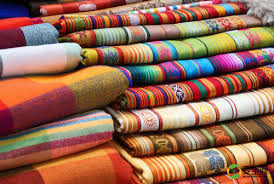
● Textiles: raw polyester cotton printed cloth, polyester fiber, woven electric blanket, canvas, etc.;
Products that require FDA certification, such as products that come into contact with the body, eyes, lipstick, lip gloss, eye drops, children-related diapers, pull-up pants, pencils, children’s toys, etc.;
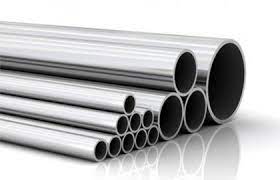
● Base metals and their products—steel nails, steel pipes, carbon alloy steel wire strips, metal silicon, diamond saw blades, stainless steel pressurized pipes, fixed-length carbon steel plates, petroleum-specific pipes, cold shaft carbon steel, thin-walled rectangular steel pipes , ironing racks and components;
Threaded steel bars, spring washers, non-enclosed inner spring components, deep drawn stainless steel tanks, cold-rolled steel plates, seamless carbon and alloy steel standard pipes, line pipes and pressure pipes, tapered roller bearings;
Iron castings, magnesium metal, galvanized sheet, heavy forged hand tools (such as axes/crowbars/hammers/picks), steel high-pressure gas cylinders;
● Chemical products﹣caprolactam (also known as lithium carbonate), polyethylene terephthalate film and strips, polyvinyl alcohol, potassium permanganate, melamine, natural bristle paint brushes and brush heads;

Anti-dumping
● Miscellaneous products—glasses, animal fur, wooden bedroom furniture, laminated wood flooring, amorphous silicon fabrics, crystalline silicon photovoltaic cells, small-diameter graphite electrodes; wooden cabinets and bathroom cabinets
Mechanical and electrical equipment and components – ball bearings, automobile windshields, brake drums and brake rotors;
● Paper and paper products—coated paper, patterned recording paper, tissue paper, folding gift box, crepe paper, uncoated paper;
● Textile products – polyester rayon, canvas, woven electric blanket;
● Prepared food and beverages – canned mushrooms soaked, citric acid and citrates, valitol, frozen and canned warm water shrimp;
● Plastic and rubber products—composite woven bags, polyethylene handbags, new inflatable construction machinery tires;
● Ore and mineral fuels – diamond saw blades and parts;
● Household – color TV, household large washing machine;
Vehicle and ship transportation equipment and parts – a bicycle, trolley;
Building materials and glass products – aluminum profiles, biaxial geogrids, magnesia carbon bricks;