
There are two types of international air transportation billing methods: MAWB/HAWB (Master Airway Bill) and HAWB (House Airway Bill).
(MAWB) Master Airway Bill
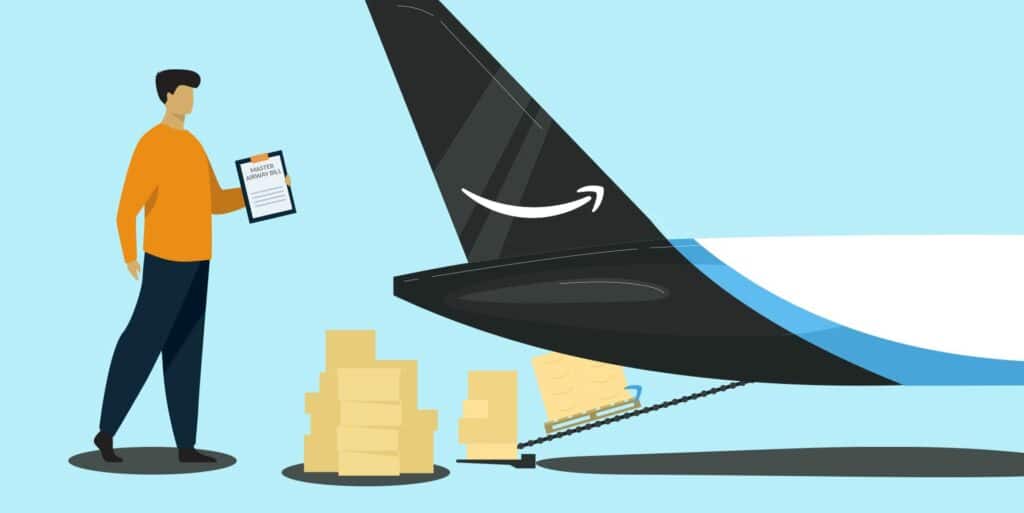
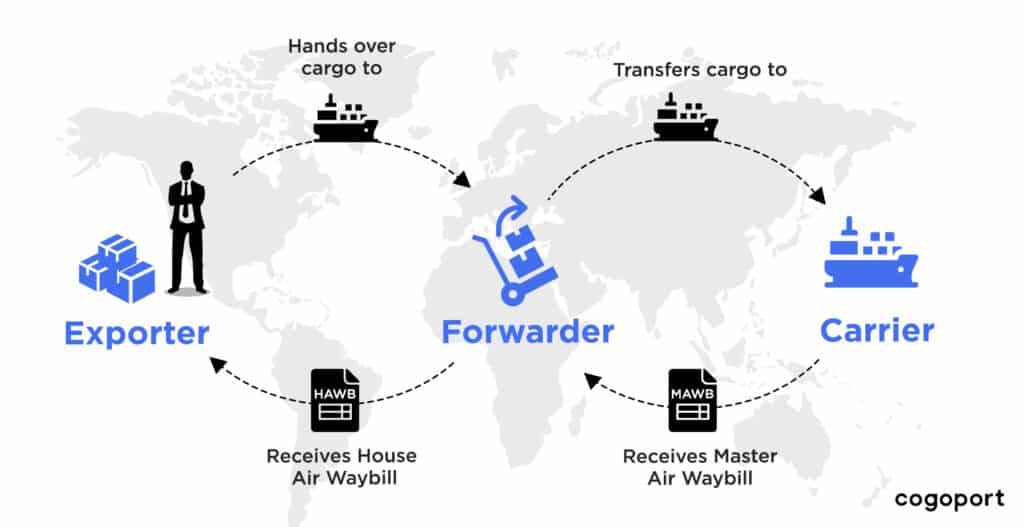
MAWB stands for Master Airway Bill, abbreviated as Master Bill, also called Airline Waybill or Carrier Waybill. The master bill is issued by each airline. In terms of content, the consignor of the airway bill of lading is the actual consignor, and the consignee is the actual consignee.
(HAWB) House Airway Bill
HAWB means airway bill, or sub-bill, also known as China shipping agent‘s bill. The sub-bill is issued by each freight forwarder. When issuing sub-bill, Master Airway Bill+House Airway Bill+Manifest.
Under what circumstances to issue Master Airway Bill or HAWB ? Corresponding role.
MAWB
Master Airway Bill means that the consignee and consignor on the air waybill are the actual consignee and consignor in the end, and the actual consignee (who has the ability to clear the customs) will clear the customs directly.
When using Master Airway Bill, the freight charges on the waybill can only show prepaid PP, but not to pay CC, because there is only one master bill, that is, the waybill issued by the airline, and this waybill shows the relationship between booking agent and freight forwarder.
No matter whether the cargo arrives safely or in full at the destination, the airline will charge this transportation fee.
When using Master Airway Bill, the shipper and consignee on the air waybill are the actual shipper and the actual consignee. Because the air waybill is not a document of property right, it is not good for the shipper to control the goods.
Some countries even if there is no bill of lading, as long as the consignee and the local customs system on the right, can directly put the goods.
Here are some more detailed explanations about bill of lading:
HAWB
When the actual consignee does not have the ability to clear the customs or other reasons need the agent of the destination port to clear the customs, it is necessary to issue a House Airway Bill.
In this case, the consignee on the main air waybill should fill in the name and address of the agent company in the port of destination, and the consignee on the House Airway Bill will show the real final consignee.
Related video:
When HAWB is issued, the consignor is better to control the goods. Can ask the destination agent to control the goods, only to get the origin of the shipper or freight forwarding release instructions can be released to the actual consignee of the goods.
Freight forwarders or customers need to use the form of consolidation consignment, will be more than one shipment of goods assembled into a single delivery to the airline carrier. When delivering the goods to the airline, the airline will issue the master air waybill to the freight forwarder according to the one-ticket cargo.
The freight forwarder then issues different sub-documents to different customers according to different customers. This saves on the cost of freight, because the price of international air transportation is different for each class.
The problem of freight on the bill of lading, some South American countries will charge tax according to the high freight on the bill of lading, the consignee in order to reasonably avoid the tax out of the sub-list to modify the freight.
Freight to pay (CC), usually also issued a separate bill.
If you are inquiring about an air freight forwarder from China to the US, consider Xiongda.
What is the meaning of CC and PP on bill of lading?
Freight Collect (CC) to pay, freight prepaid (PP) prepaid.
Freight Collect: Freight to pay, the consignee of the port of destination to pay shipping charges. Generally, it is in FOB.
If CFR or CIF transaction, then it is Freight prepaid, freight prepaid, by the consignor SHIPPER to pay ocean freight.
Freight Collect: Freight Collect: I don’t know what kind of transaction you are doing? This payment method is generally used for FOB, the so-called FOB, is: FREE ON BOARD, commonly known as FOB. This payment method can save cost for the seller and reduce the operation procedure.
Freight Prepaid Bill of Lading (Freight Prepaid B/L): the transaction price of CIF, CFR conditions for freight prepaid, according to the provisions of the consignment of goods, freight must be prepaid. In the case of freight prepaid bill of lading issued, known as freight prepaid bill of lading.
This bill of lading and then the front of the “freight prepaid” (Freight Prepaid; Freight Paid) words, after payment, if the goods are lost, freight is not refundable.
