LDP shipping incoterms is a way of trade that is the same price as ex dock where the seller pays the import tax. Seller, at Seller’s risk and expense, furnishes import licenses and bears any import duties, including customs inspection costs, and any other taxes or charges payable on account of the importation and delivery of the Goods to Buyer.
That is to say, the seller who uses LDP shipping incoterms is not only responsible for export procedures, but also responsible for import procedures at the port of entry, including import licenses, customs clearance procedures, customs inspection fees and taxes payable at the place of import, etc.
These fees and quotes must be taken into account. This type of trade is very risky for exporters. If there are some mistakes in the place of import, the seller is fully responsible, and the importer is not responsible.
LDP shipping incoterms includes: sea or air freight, quota, customs duty (dual clearance) allocation, fees and other miscellaneous charges. Generally speaking, the charges are all-inclusive prices, rather than setting tariffs separately, and many specific operation methods cannot be explained simply by relying on a few words.
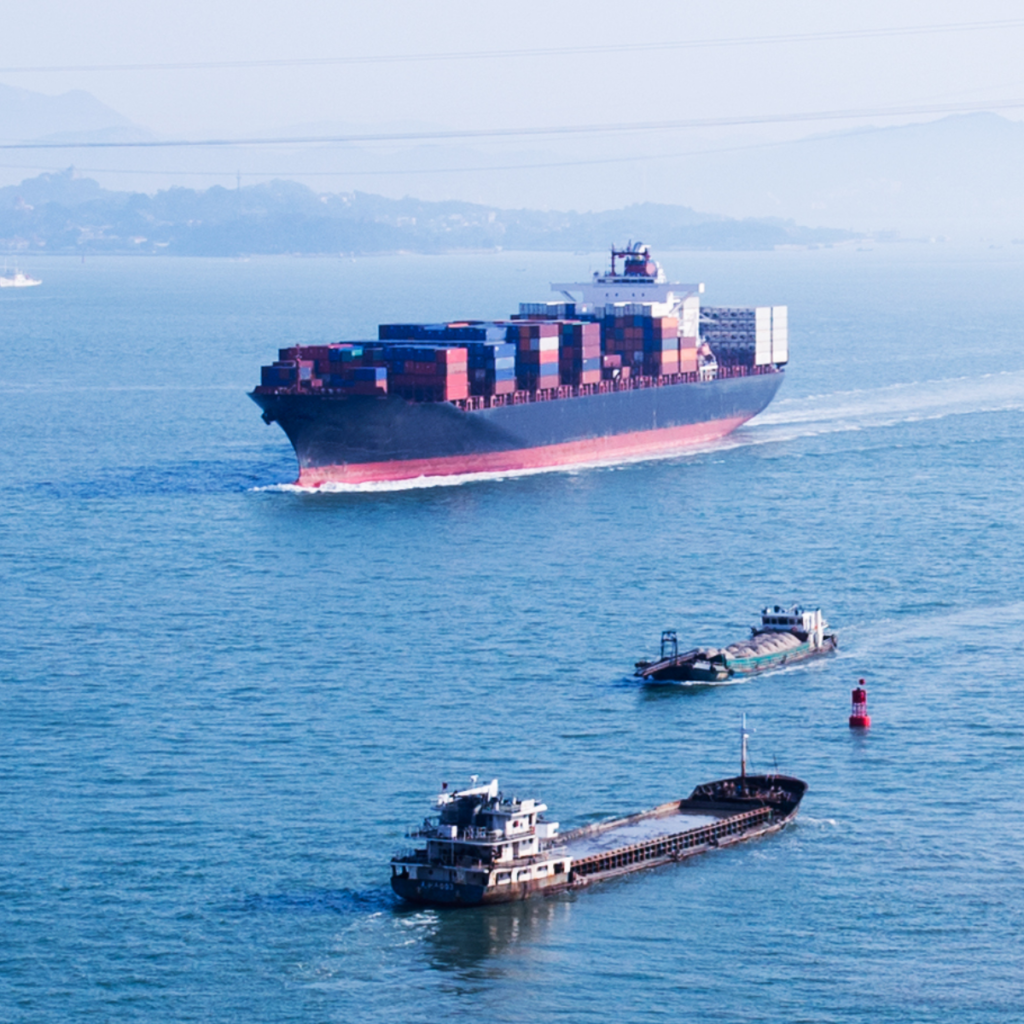
Process of LDP shipping incoterms from China to the US
- Provide product packing list information, price, picture and address of the consignee (multiple consignees are allowed, and the warehouse can distribute the goods).
- LDP suppliers provide a variety of shipping schedules or flights to choose from, and arrange transportation and customs declaration after confirmation.
- After the goods arrive, notify the exporter, and then declare, clear and pay taxes to the US Customs.
- After the goods are cleared, notify the exporter to confirm whether it can be shipped, and notify the buyer after confirmation. Confirm the address → make an appointment → delivery.
- After the goods are sent out, the buyer signs for the POD (signature receipt), and scans the email to the exporter after signing.
- Settle the fee and complete the order.
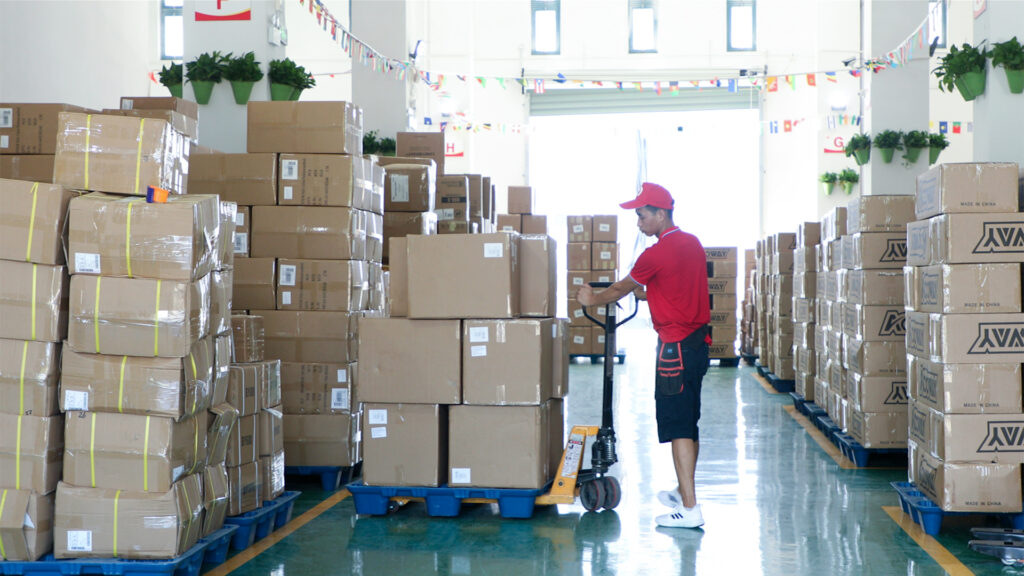
Advantages of LDP shipping incoterms from China to the US
Controllable cost
The clothing and textile industry has a lot of procurement contacts, and the main reason for choosing LDP shipping incoterms is that the cost is controllable. The gross profit margin of the apparel and textile industry is between 5% and 10%.
Because of the low gross profit, the export to the United States pays more attention to the price of logistics and freight, and saves logistics costs to increase the gross profit of the apparel and textile itself.
Flexible and punctual
Furthermore, the clothing and textile industry is characterized by many changes and fast delivery, so the required supporting logistics services must be flexible and punctual. Factories often receive notices from abroad to change the tag or other modifications, and the shipping schedule is more than one week. It allows customers to have more choices.
At the same time, the coordination and flexibility in operation will leave more time for the factory to catch up with the goods, so as to ensure the normal shipment of the goods and catch up with the delivery date.
Risk transfer
In terms of risk control, the LDP shipping incoterms clause means that the consignor is responsible for delivering the goods to the warehouse designated by the customer before the specified deadline.
For shippers, we used to only need to focus on the delivery time of the factory and the quality of the goods, but now we also need to worry about logistics. When choosing an LDP freight forwarder, it is not just as simple as finding a cheap one, but also requires the LDP freight forwarder to have rich operating experience and the ability to control the entire link.