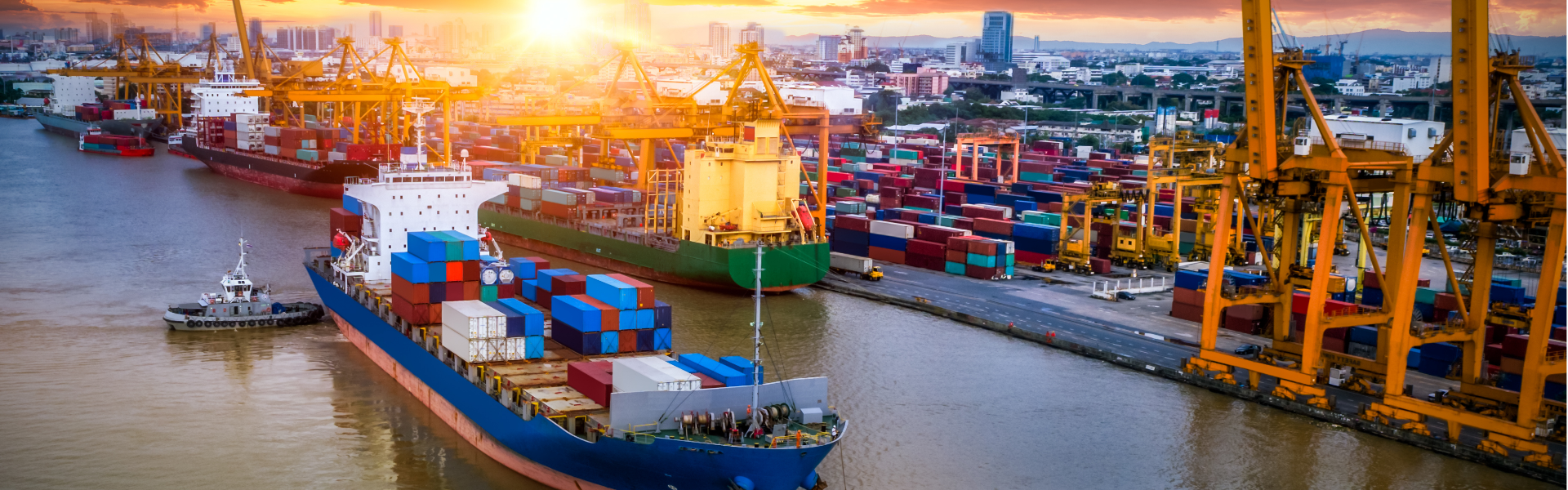
As the “factory of the world”, Chinese freight forwarders’ position in international trade is obvious. As of 2017, China’s trade accounted for 15% of world GDP, second only to the United States.
China’s product export, the only way is the freight forwarder company, according to incomplete statistics, only In Shanghai, China, there are more than 10,000 international freight forwarder companies, it can be imagined that the total number of freight forwarders in China is astronomical, so how to find the best freight forwarder from China to USA? This may be the problem you are facing.
Current status of China International Freight Forwarding Company.How to find the best freight forwarder from China to USA?
In China, it is not difficult to enter the freight forwarding industry, only a formal registration process is required, which is one of the main reasons for more freight forwarding companies. On the other hand, the influx of new forces brings capital and personnel to the industry, which is also conducive to the level of competition in the industry.
As a trading party, we enjoy the biggest benefits and reduce the cost of imports and export. But it may inevitably reduce the service level of the industry.

How to find the best freight forwarder from China to USA?China freight forwarder company classification.
Branch companies of large foreign enterprises in China
The international freight forwarding industry has been developed in developed countries for nearly 60 years, especially in Europe and the United States. DHL, Sinker, Dexon, and other well-known brands set up their branches in China.
China’s state-owned enterprises in China’s freight forwarding industry and other industries are all started by state-owned enterprises. Nationalized freight forwarders.
excellent private enterprises, which are also the new force of Chinese freight forwarding companies.
If you walk into any office building in Ningbo, China, you will frequently see the words “international freight forwarder” or “international logistics” on the company catalog in the lobby of the first floor.
unregistered institutions above 1, 2, and 3 can be summarized in China’s officially registered freight forwarding companies, but many companies are not registered, they are engaged in the international freight forwarding industry in the name of individuals. This situation is pronounced in Yiwu.
If you have been to Yiwu small commodity wholesale Center, you will find that many stable companies engaged in the international freight forwarding industry do not have registered companies.
How to find the best freight forwarder from China to USA?What are the advantages and disadvantages of various freight forwarding companies?
Category 1 companies are multinational companies that typically serve large buyers, importers, and wholesalers.
The clients of type 2 companies are mostly large state-owned enterprises in China, engaged in national development projects, including contracting of transportation and other projects. In short, the services of Type 1 and Type 2 companies are mainly for large and medium-sized enterprises, and they may not be your best choice.
So, how to find the best freight forwarder from China to USA?
The freight forwarder is not reliable, the owner of the heart bitter, freight forwarder, is the most reliable.
Well since we have seen here, we will talk about how to find a reliable forwarder today, or how to avoid the pit unreliable forwarder. For reference only, not for reference.how to find the best freight forwarder from China to USA?
Reliable definition, the popular online saying is: everything has an explanation, every piece has a landing, everything has an echo. Steal thought: one bottom line principle (law, morality), two-person principle (not to harm others, not to harm others); Principle of doing things (do what you say and do what you do).how to find the best freight forwarder from China to USA?
The freight forwarding industry is the role of middlemen in the logistics industry. It is a bridge and lubricant connecting shippers and carriers. It is characterized by the low threshold, light assets, multiple identities, and multifaceted business, as it revolves between shippers, tow shops, yards, docks, customs, carriers, and domestic and foreign customs clearance houses/warehouses. The size of the freight forwarder simply cannot make a reliable standard, because large companies often have big stores to cheat customers to do a lot of unreliable things, small companies also have a very reliable reputation and brand to do prosperous.how to find the best freight forwarder from China to USA?
Judge whether the freight forwarder is reliable, steal that safety first, reliable for the foundation, time is to, price is complementary.
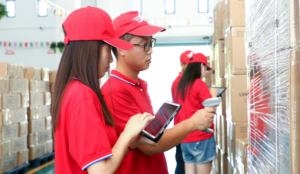
The best Freight Forwarder Sino Shipping:Security
The best freight forwarder from China to USA,Because of the existence of habitual fraud/market decline, misjudgment/blind expansion, and other reasons, there will be a logistics company run to stop the news of loss every year. The market is down this year, the market is down, the early influx of a lot of freight forwarding enterprises will face the problem of market replacement, and safety problems are particularly prominent.
How to judge whether it is safe? There are two suggestions:
Established for a long time (more than 3 years), no significant negative information (small disputes and lawsuits should be identified, and some abnormal risks should be analyzed according to the specific situation), the actual controller is clear, the office and storage places are standardized, and there is a certain scale.
Abnormal is the demon. Violation of market rules and common sense cognition must be more careful and screened.
The best freight forwarder from China to USA,The safety inspection is conducted by the company & the actual controller. The specific methods are as follows:
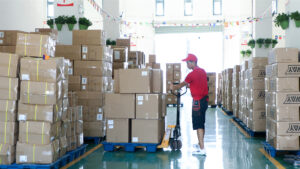
The best freight forwarder from China to USA,Before cooperation, check more love enterprise check, complaint platform, national enterprise credit information publicity system, etc.
Multi-party understanding or on-site investigation, whether the enterprise has long-term development, whether it has invested large assets and personnel.
Find several forwarders to disperse shipment and risk, so as not to put all eggs in one basket.
The best freight forwarder from China to USA: by spectrum
A freight forwarding company is unreliable, the following signals can be used for reference:
ultra-low price to collect goods
The reasonable price of the market should be judged, too low there must be something fishy, abnormal there will be a demon. Pay attention to running away/price increase/channel change/service, time degradation/customs clearance compliance/cargo loss, and damage risk.

what channels
A freight forwarder can not be big and complete, only small and fine, small and beautiful to have control ability, to ensure service
What kind of products
Freight forwarders also have to position on the type of goods, and dare to accept any goods. Their operation and compliance risks are great, and the risks of running away and problems are also great.
Make promises
the management is not standard
The operation process is not standardized
Great personnel mobility, especially customer service and other background personnel
Not being professional
Service response is not timely
After-sales service and abnormal problem handling
Whether the company’s personnel structure is reasonable: whether the background customer service and warehouse operators are enough to guarantee basic services.
Whether the warehouse management system is developed by itself
Whether we attach importance to risk control compliance & insurance & indemnity

The best freight forwarder from China to USA,It is recommended to deal with it through the following measures:
1. Avoid finding a new company;
2. Understood the information of freight forwarding companies through communication with salesmen and conducted filtering and screening;
3, can be small single test water, gradually understand to enlarge shipments;
4, multiple logistics service providers, regular scoring, regular replacement;
The best freight forwarder from China to USA:aging
E-commerce logistics have very high requirements for timeliness. One is financial pressure and the other is the high timeliness of products. So timeliness is an indicator of priority. Be sure to:
1. Whether the whole process can be tracked
2. Whether to synchronize progress information at any time
3. Whether it is consistent with the market prescription
4, whether to keep stable with the market prescription
Timeliness refers to the company, products, and people. Suggestions are as follows:
1) Comparison of multiple logistics service providers, including evaluation management of logistics service providers. 2) Small single test water, dynamic management, regular replacement.

The best freight forwarder from China to USA:price
At present, e-commerce logistics products are seriously homogenized and the price is very transparent, so the price should not be paid too much attention. Just do:
1. Is the price reasonable
2. Whether the price is stable
3, whether the price is transparent, no hidden consumption, no midway price increase, no temporary price change
The best Freight Forwarder Sino Shipping:The price inspects the company, products, and people. Suggestions are as follows:
1. Comparison of multiple logistics service providers and evaluation management of logistics service providers.
2, small single test water, dynamic management, regular replacement.